
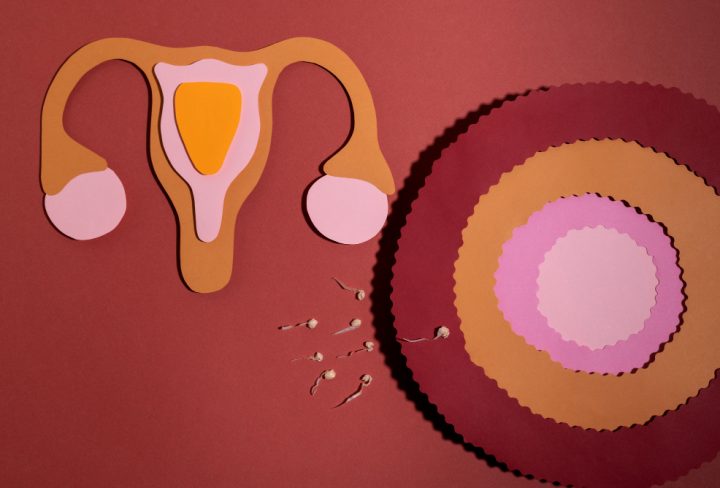
What is PCOM?
PCOM, or Polycystic Ovarian Morphology, is a condition where the ovaries have many small fluid-filled sacs called follicles. These follicles are not harmful, but they can be seen on an ultrasound. Often, PCOM is found when doctors check for other health concerns. However, having PCOM does not always mean you have a disease. It is important to know that PCOM is different from PCOS (Polycystic Ovary Syndrome), which has more symptoms. Still, PCOM can be linked to some health changes. Understanding PCOM helps you make informed choices about your health.
Symptoms of PCOM
Many people with PCOM do not notice any symptoms. In fact, some only learn about it during a routine checkup or ultrasound. However, some may experience:
But, it is important to remember that these symptoms can have other causes. For this reason, always talk to your doctor if you notice changes in your body.
Causes and Risk Factors
Doctors are still learning about what causes PCOM. However, several factors may play a role. For example, genetics can increase your risk. If your mother or sister has PCOM, you may be more likely to have it too. In addition, hormone changes, especially higher levels of certain hormones, can lead to PCOM. Sometimes, lifestyle factors such as weight or diet may also have an effect. But, not everyone with these risk factors will develop PCOM.
Diagnosis of PCOM
Doctors use ultrasound to diagnose PCOM. During this test, a small device is placed on your belly or inside the vagina. This device creates pictures of your ovaries. If the ovaries have 20 or more small follicles, or if they look larger than usual, PCOM may be diagnosed. In addition, your doctor may ask about your periods and any symptoms. Blood tests may also be done to check hormone levels. However, PCOM is only one part of your health picture. Your doctor will consider all your results before making a diagnosis.
Management and Treatment Options
Most people with PCOM do not need treatment if they have no symptoms. However, if you have irregular periods or other concerns, your doctor may suggest:
Sometimes, lifestyle changes such as healthy eating and exercise can also help. But, treatment depends on your unique needs. Therefore, always follow your doctor’s advice.
Lifestyle Tips for Living with PCOM
Even though PCOM is often harmless, healthy habits can support your well-being. For instance, you can:
Additionally, talking openly with your healthcare provider can help you stay informed and confident about your health.
Prevention and Outlook
Currently, there is no sure way to prevent PCOM. However, healthy lifestyle choices may lower your risk. Most people with PCOM lead normal, healthy lives. In many cases, PCOM does not cause problems. But, regular checkups are important. Early detection and good self-care can help you manage any changes. According to the World Health Organization and leading medical journals, staying informed is key to good health.
If you have questions or concerns about PCOM, consult a healthcare professional for personalized advice.