
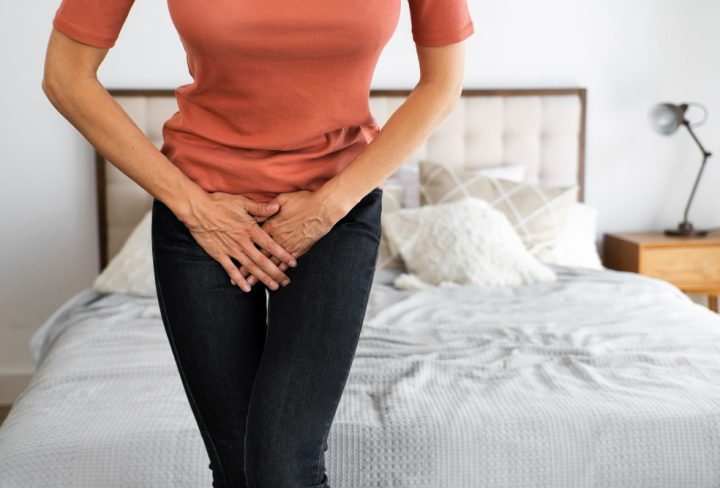
What are Vaginal Infections?
Vaginal infections are common health issues that affect many women. These infections happen when germs like bacteria, yeast, or viruses grow in the vagina. Because the vagina has its own balance of healthy bacteria, any change can lead to problems. For example, using certain soaps or taking antibiotics may upset this balance. Vaginal infections can cause discomfort, but most are treatable. Understanding the symptoms of vaginal infections helps you seek help early.
Common Symptoms
It is important to notice signs of vaginal infections early. While symptoms can vary, many women experience similar problems. For instance, you may notice:
However, some women may have no symptoms at all. If you notice any of these signs, it is wise to pay attention. Early care can prevent problems from getting worse.
Main Causes and Risk Factors
There are several causes of vaginal infections. The most common types include:
Many factors can increase your risk. For example, using scented soaps, douching, or wearing tight clothing may raise your chances. Taking antibiotics, having diabetes, or changes in hormones can also play a role. In addition, unprotected sex may increase your risk of certain infections. Knowing these risk factors helps in preventing vaginal infections.
Diagnosis Methods
Doctors use several methods to diagnose vaginal infections. First, they ask about your symptoms and medical history. Next, they may do a physical exam. Sometimes, a sample of vaginal discharge is taken for testing. This helps find out the exact cause. In some cases, lab tests can check for bacteria, yeast, or parasites. Quick and correct diagnosis is important, because it guides the right treatment. According to the CDC, proper testing helps avoid unnecessary medicines.
Treatment Options
Treatment for vaginal infections depends on the cause. For example, bacterial infections often need antibiotics. Yeast infections are usually treated with antifungal creams or pills. Trichomoniasis requires specific medicine prescribed by a doctor. It is important to finish all medicines, even if you feel better. In addition, avoid using home remedies without talking to a healthcare provider. The World Health Organization (WHO) recommends following your doctor’s advice for the best results.
Prevention Tips
Preventing vaginal infections is possible with simple steps. For instance, you can:
Moreover, eating a balanced diet and managing stress can help your body fight infections. These tips can lower your risk of getting vaginal infections.
When to See a Doctor
Sometimes, vaginal infections need medical care. You should see a doctor if:
Early treatment can prevent problems. Do not wait if you feel worried or unsure. A healthcare specialist can give you the right advice and care.
Consult a healthcare specialist for personalized advice on vaginal infections.