
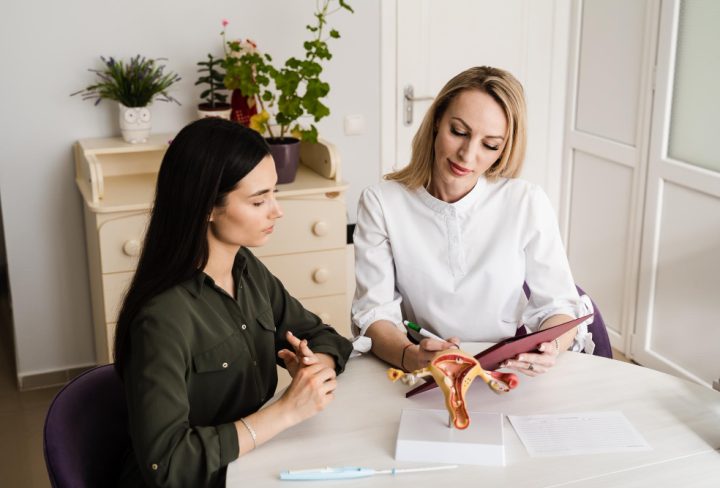
What Are Irregular Periods and Menstrual Disorders?
Many women wonder how to manage irregular periods. Irregular periods mean your menstrual cycle does not follow a regular pattern. Usually, a normal cycle lasts 21 to 35 days. However, some people may have cycles that are shorter or longer. Menstrual disorders include any problems with your period, such as heavy bleeding, missed periods, or very painful periods. These issues can affect your daily life. According to the World Health Organization (WHO), menstrual disorders are common and can happen at any age.
Common Symptoms and Warning Signs
It is important to know the signs of menstrual disorders. Early detection can help you get the right treatment. Watch for these symptoms:
If you notice these signs, you should pay attention. Sometimes, these symptoms can point to a bigger health problem.
Causes and Risk Factors
There are many reasons why periods may become irregular. Some common causes include:
In addition, family history can play a role. If your mother or sister has had menstrual disorders, you may be at higher risk. Sometimes, underlying health conditions can also cause irregular periods.
Diagnosis: When and How to Seek Medical Advice
It is wise to see a doctor if you have irregular periods for more than three months. Also, if you have very heavy bleeding, severe pain, or other unusual symptoms, seek help. Your doctor may ask about your medical history and do a physical exam. Sometimes, blood tests or an ultrasound may be needed. These tests help find the cause of your symptoms. Early diagnosis can lead to better treatment and fewer problems later.
Treatment Options: Medical, Lifestyle, and Home Remedies
There are many ways to treat menstrual disorders. Your doctor will suggest the best option for you. Treatment may include:
Besides medical treatment, lifestyle changes can help. For example, keeping a healthy weight and managing stress can improve your cycle. You can also try these home remedies:
However, always talk to your doctor before starting any new treatment or remedy.
Prevention Tips and Healthy Habits
Although not all menstrual disorders can be prevented, you can lower your risk. Try these tips for regular periods:
By following these habits, you may notice more regular periods and fewer problems.
When to Consult a Specialist
Sometimes, you may need to see a specialist, such as a gynecologist. If your symptoms do not improve with basic care, or if you have very heavy bleeding, severe pain, or signs of anemia (like feeling very tired or weak), it is time to get expert help. Early care can prevent serious health issues.
Conclusion
In summary, learning how to manage irregular periods and other menstrual disorders is important for your health. If you notice changes in your cycle, do not ignore them. Consult a healthcare provider for personalized advice on managing menstrual disorders. Your doctor can help you find the best treatment and keep you healthy.